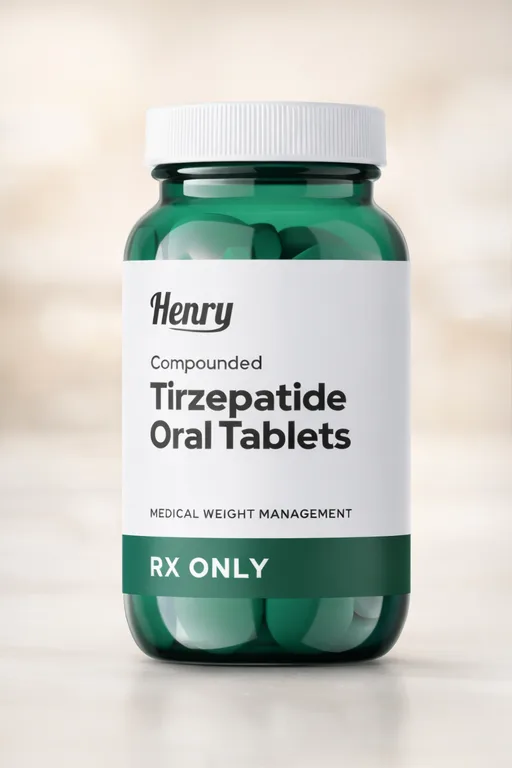
Tirzepatide Tablets Guide: Clinical Trials, Efficacy, and Updates
What Is Tirzepatide and How Does It Work
Tirzepatide is a synthetic peptide that acts simultaneously on two hormone receptors: glucose-dependent insulinotropic polypeptide (GIP) and glucagon-like peptide-1 (GLP-1). Developed by Eli Lilly, this dual agonist mechanism distinguishes it from earlier GLP-1-only agents. By activating both receptor pathways, tirzepatide amplifies insulin secretion in response to meals, suppresses glucagon, slows gastric emptying, and reduces appetite through central nervous system signaling. The combined effect produces greater metabolic improvements than either pathway alone, explaining the drug's outsized results across both type 2 diabetes and obesity populations in large-scale trials.
The SURMOUNT Trials: Obesity Outcomes
The SURMOUNT phase 3 program evaluated tirzepatide specifically for chronic weight management in adults with obesity or overweight with at least one weight-related comorbidity. SURMOUNT-1, published in the New England Journal of Medicine in 2022, enrolled 2,539 adults without diabetes. Participants receiving the highest dose of 15 mg weekly achieved a mean weight reduction of 20.9 percent from baseline over 72 weeks, compared to 3.1 percent in the placebo group. More than a third of participants at the top dose lost at least 25 percent of their body weight, a threshold historically associated only with bariatric surgery.
SURMOUNT-2 extended this evidence to adults with type 2 diabetes and obesity, where mean weight loss reached 15.7 percent at 15 mg over 72 weeks. SURMOUNT-3 examined an intensive lifestyle intervention run-in period followed by tirzepatide, and SURMOUNT-4 demonstrated that weight regain occurs when treatment is discontinued, reinforcing the chronic-disease framing of obesity pharmacotherapy and the need for ongoing management.
The SURPASS Program: Glycemic Control in Type 2 Diabetes
The SURPASS program comprised six phase 3 trials evaluating tirzepatide in adults with type 2 diabetes. Across the program, the 15 mg dose reduced HbA1c by a mean of 2.0 to 2.4 percentage points from baseline, with more than 80 percent of participants in some trials achieving an HbA1c below 7.0 percent. SURPASS-2 compared tirzepatide directly against semaglutide 1 mg and found tirzepatide superior on both HbA1c reduction and weight loss at all three doses tested. These results supported the 2022 FDA approval of Mounjaro for type 2 diabetes, followed by the 2023 approval of Zepbound for chronic weight management.
Oral Tirzepatide Tablets: Development and Phase 2 Data
While tirzepatide is currently marketed as a subcutaneous injection, Eli Lilly has advanced oral tirzepatide tablets through clinical development to address strong patient preference for non-injectable options. Oral delivery of peptide drugs presents significant pharmacokinetic challenges because gastrointestinal enzymes degrade peptide structures before systemic absorption. Lilly's oral formulation uses permeation enhancers and absorption-facilitating strategies to achieve meaningful plasma exposure.
Phase 2 data published in 2024 showed that oral tirzepatide tablets produced clinically meaningful weight loss and glycemic improvements, though higher absolute doses are required compared to the injectable formulation due to lower bioavailability. The dose-response relationship seen in injection trials appears to translate to the oral route. Phase 3 trials targeting both obesity and type 2 diabetes indications were initiated in 2024 and 2025, with full efficacy results and a potential regulatory submission anticipated in the 2025 to 2026 timeframe.
Safety Profile and Common Side Effects
Across both the SURMOUNT and SURPASS programs, adverse events were predominantly gastrointestinal and most pronounced during the dose-escalation phase. The most commonly reported side effects include:
- Nausea, occurring in 20 to 30 percent of participants at higher doses
- Diarrhea and vomiting, typically peaking in the first weeks of a new dose level
- Constipation, reported more frequently than with GLP-1-only agents
- Decreased appetite, which contributes to the weight-loss mechanism but can also reduce caloric intake below recommended levels
The prescribing information for tirzepatide carries warnings regarding a theoretical risk of thyroid C-cell tumors based on rodent data, contraindication in patients with personal or family history of medullary thyroid carcinoma or multiple endocrine neoplasia syndrome type 2, and caution in patients with a history of pancreatitis. Hypoglycemia risk is low when used without insulin or sulfonylureas but increases significantly in combination regimens.
Prescribing Context and Access Considerations
Tirzepatide requires a prescription and is initiated under medical supervision. The standard injection protocol begins at 2.5 mg weekly and escalates in 2.5 mg increments every four weeks to a maintenance dose between 5 and 15 mg based on individual tolerability and glycemic or weight response. List prices in the United States exceed one thousand dollars per month without insurance, though manufacturer savings programs exist for eligible commercially insured patients, and Medicare Part D coverage for the obesity indication has expanded following recent policy changes.
Clinicians selecting tirzepatide tablets or injections weigh cardiometabolic risk profile, prior medication history, injection tolerance, and weight loss goals. Once an oral formulation receives regulatory approval, it is expected to meaningfully expand the patient population by removing the injection barrier that limits uptake among otherwise appropriate candidates for dual GIP/GLP-1 therapy.