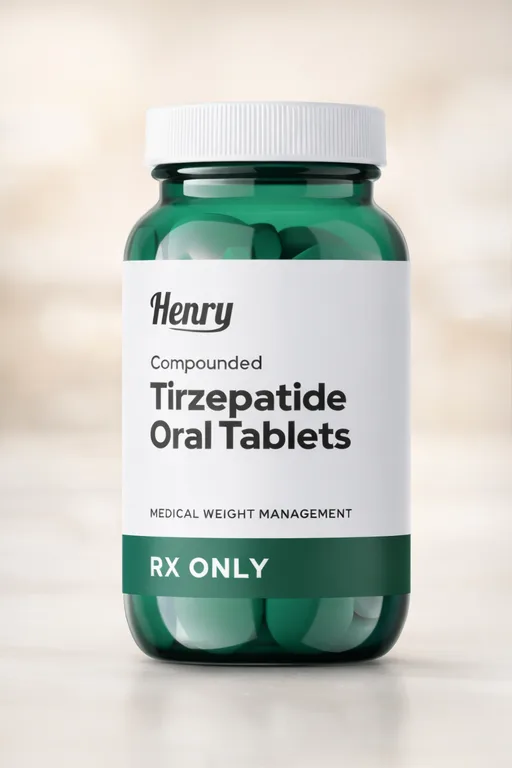
The Future of Weight Loss: Are Tirzepatide Tablets Available?
A New Era in Obesity Medicine
Tirzepatide has reshaped how clinicians approach weight management since its approval as a subcutaneous injection. By simultaneously activating receptors for both glucose-dependent insulinotropic polypeptide (GIP) and glucagon-like peptide-1 (GLP-1), it achieves metabolic effects that single-pathway drugs cannot match. Clinical trials have demonstrated average body weight reductions exceeding 20 percent in adults with obesity, outperforming earlier GLP-1 receptor agonists across nearly every measured endpoint. This performance has made tirzepatide the center of ongoing research, including serious efforts to develop an oral formulation that could expand access to millions of patients who are reluctant to self-inject.
Why an Oral Formulation Is So Difficult to Develop
Peptide-based drugs like tirzepatide are large, fragile molecules. When swallowed, they face rapid degradation by digestive enzymes in the stomach and intestine before they can reach systemic circulation in meaningful concentrations. Bioavailability for unprotected peptides taken orally is typically well under one percent, which makes a straightforward pill formulation essentially useless at standard doses. This is the same challenge that delayed oral insulin and oral GLP-1 drugs for years.
Several pharmaceutical strategies are being tested to overcome this barrier. One approach uses permeation enhancers, chemical agents that temporarily disrupt the tight junctions in the intestinal lining to allow larger molecules to pass through. Another relies on enteric coatings that shield the drug until it reaches the less hostile environment of the small intestine. A third involves nanoparticle or lipid-based delivery systems that encapsulate the peptide and protect it during transit. Each approach carries trade-offs in manufacturing complexity, dose consistency, and tolerability.
The Current State of Tirzepatide Tablets Research
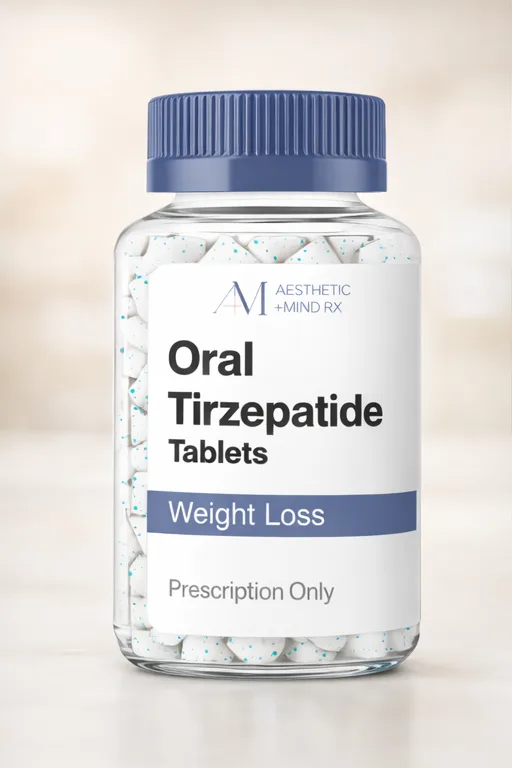
As of 2026, no oral tirzepatide formulation has received regulatory approval in the United States or Europe. Eli Lilly, the manufacturer of tirzepatide under the brand name Zepbound for obesity and Mounjaro for type 2 diabetes, has publicly acknowledged interest in oral delivery research, but the company has not released phase 3 clinical trial data for an oral form. The landscape of tirzepatide tablets remains at early to mid-stage development, with no confirmed filing timeline announced to regulators.
This stands in contrast to semaglutide, a GLP-1 agonist from Novo Nordisk, which received FDA approval as an oral tablet under the brand name Rybelsus for type 2 diabetes management. Rybelsus uses a sodium N-acyl-8-aminocaprylic acid absorption enhancer and must be taken on an empty stomach with a small amount of water, highlighting the strict conditions oral peptide drugs require to achieve even modest bioavailability. Whether a dual GIP/GLP-1 molecule like tirzepatide can be similarly adapted remains an open and actively studied question.
What Patients Should Expect Today
For patients seeking tirzepatide, the only currently approved and clinically validated route of administration is a once-weekly subcutaneous injection. The injection is delivered using a pre-filled auto-injector pen, and most patients report that the process becomes routine within the first few weeks. Doses are titrated gradually over several months to reduce gastrointestinal side effects such as nausea, vomiting, and diarrhea, which are common during the early phase of treatment.
- Tirzepatide is available only by prescription and requires ongoing medical supervision.
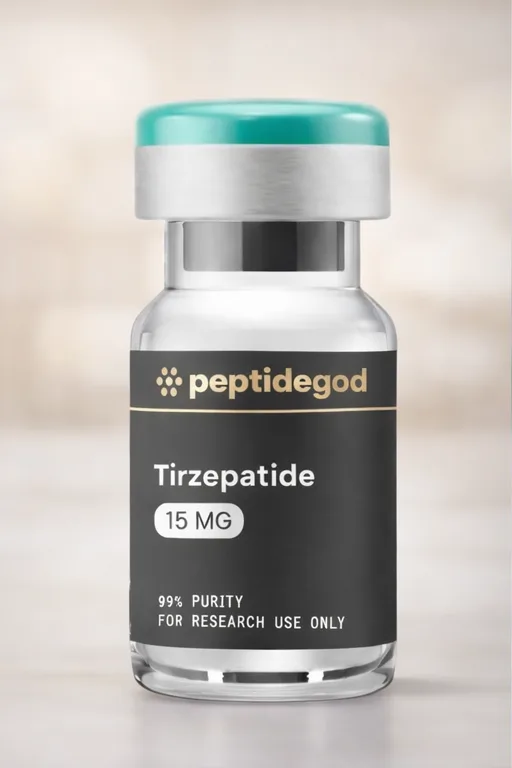
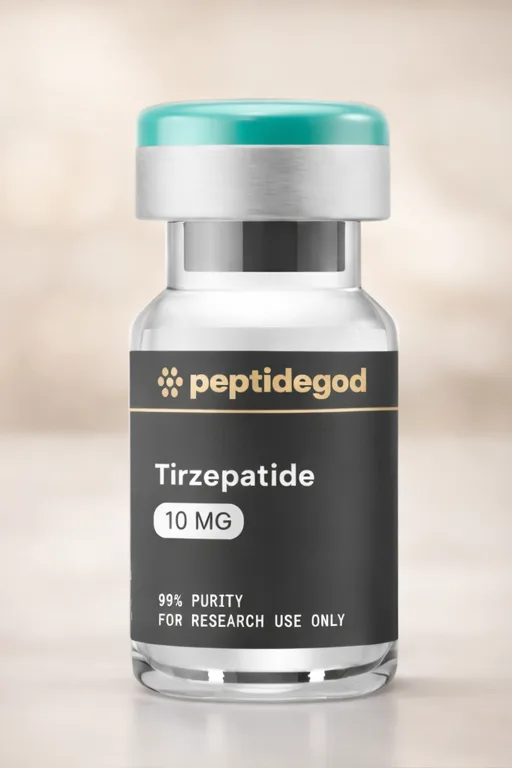
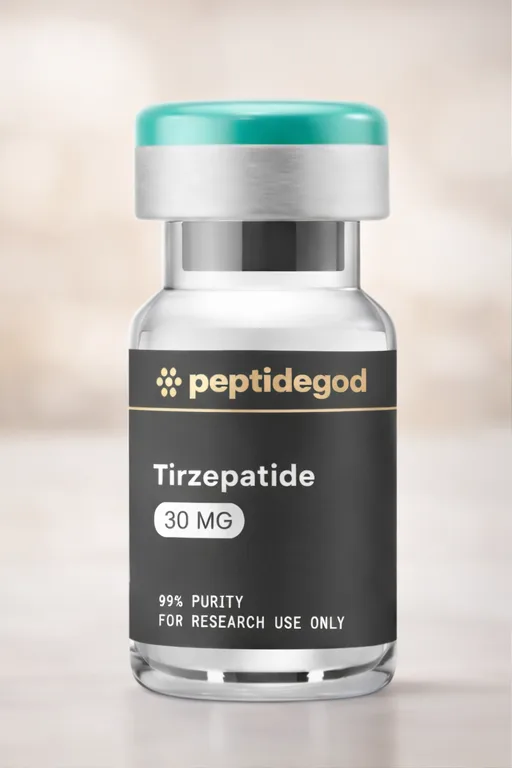
- Compounded versions of tirzepatide have circulated during supply shortages, but these are not FDA-approved and carry unknown quality and safety risks.
- Insurance coverage for obesity indications remains inconsistent across payers in the United States.
- Patients who cannot tolerate injections should discuss this directly with their prescriber, as no approved oral alternative exists for tirzepatide specifically.
The Road Ahead for Oral Weight-Loss Medications
The commercial success of injectable GLP-1 and dual agonist drugs has created enormous financial incentive for pharmaceutical companies to crack the oral delivery problem. Analysts estimate that an approved oral tirzepatide or equivalent dual agonist could double or triple the eligible patient population by removing the injection barrier. Several biotechnology firms beyond Eli Lilly are pursuing oral incretin therapies using novel delivery platforms, and competitive pressure may accelerate timelines industry-wide.
Regulatory pathways are also evolving. The FDA has shown willingness to approve oral peptide drugs when bioavailability and dose reproducibility can be demonstrated adequately, as evidenced by the Rybelsus approval. The clinical bar for a weight-loss indication is high, requiring demonstration of both meaningful efficacy and an acceptable long-term safety profile. If tirzepatide tablets eventually reach clinical approval, they would need to demonstrate that oral dosing produces comparable metabolic benefits to the injectable form, which given the bioavailability challenges, may require substantially higher absolute doses to achieve equivalent systemic exposure.
For now, patients and clinicians should view oral tirzepatide as a promising but unproven future option rather than an imminent clinical reality. Staying informed through healthcare providers and monitoring announcements from regulatory agencies remains the most reliable way to track progress in this rapidly advancing field.